


A spot may clear, but the mark it leaves behind can take much longer to fade. These flat brown or darker marks are often called post-acne marks or post-inflammatory hyperpigmentation. They are not the same as indented or raised acne scars.
A simple routine can help you care for your skin while the marks gradually fade. The key steps are to manage ongoing breakouts, avoid irritating your skin, use a suitable targeted product and wear sunscreen consistently. Dark marks can take months to fade, and results vary from person to person.
Why can acne leave dark marks?
When a spot becomes inflamed, the skin may produce extra pigment as it heals. This can leave a flat mark that looks darker than the surrounding skin. Marks can be more noticeable or persist for longer in deeper skin tones.
Picking, squeezing or repeatedly irritating spots can increase the chance of marks and scarring. If breakouts continue, addressing the acne can help reduce the chance of new marks forming.
A simple routine for post-acne marks
You do not need a complicated routine. Start with the basics and add one targeted product at a time.
| Morning | Evening |
|---|---|
| Gentle cleanser, if needed | Cleanser |
| Optional targeted serum | Optional targeted serum |
| Moisturiser | Moisturiser |
| Sunscreen | — |
Morning routine
1. Cleanse gently
Use a mild cleanser and lukewarm water. Avoid scrubbing or using rough cleansing tools, which can irritate skin.
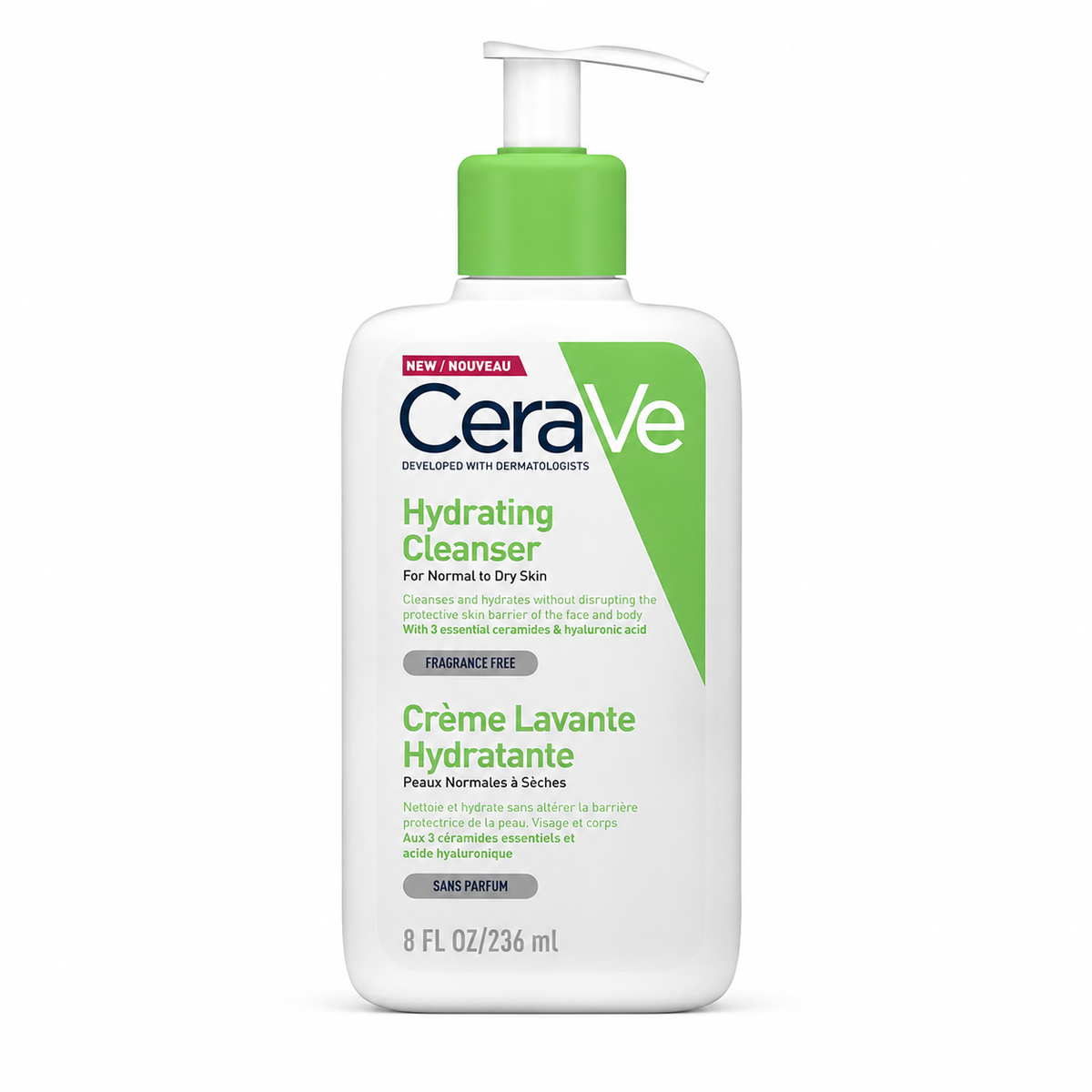
For normal to dry skin, Melas stocks CeraVe Hydrating Cleanser.
Shop CeraVe Hydrating Cleanser
For oily or blemish-prone skin, La Roche-Posay Effaclar Purifying Foaming Gel Cleanser is another option. Check the product details and ingredient list to make sure it suits your skin:
Shop La Roche-Posay Effaclar Purifying Foaming Gel Cleanser

If your skin feels comfortable in the morning, you may prefer to rinse with water and cleanse properly in the evening.
2. Apply one targeted serum
A serum formulated for uneven tone may be a useful addition. Good Molecules Discoloration Correcting Serum contains niacinamide and a tranexamic acid derivative and is listed by Melas for discolouration and uneven tone:
Shop Good Molecules Discoloration Correcting Serum
Follow the product directions. If you are new to it or have sensitive skin, introduce it gradually and avoid adding several new active products at the same time.
3. Moisturise
Choose a moisturiser that leaves your skin feeling comfortable. A moisturiser does not need to be marketed as a dark-spot treatment to have a place in your routine.
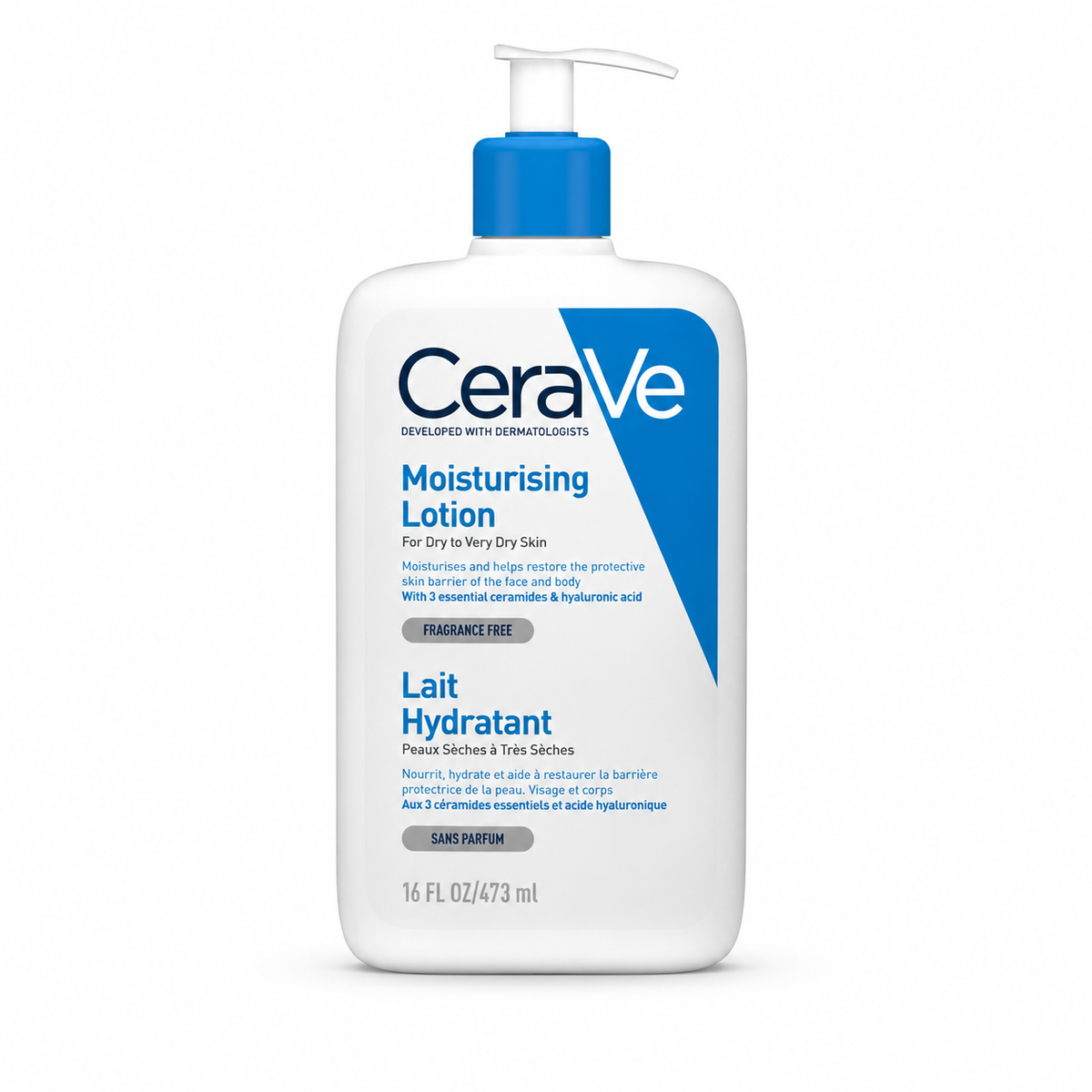
CeraVe Moisturising Lotion is a lighter option for normal to dry skin:
Shop CeraVe Moisturising Lotion
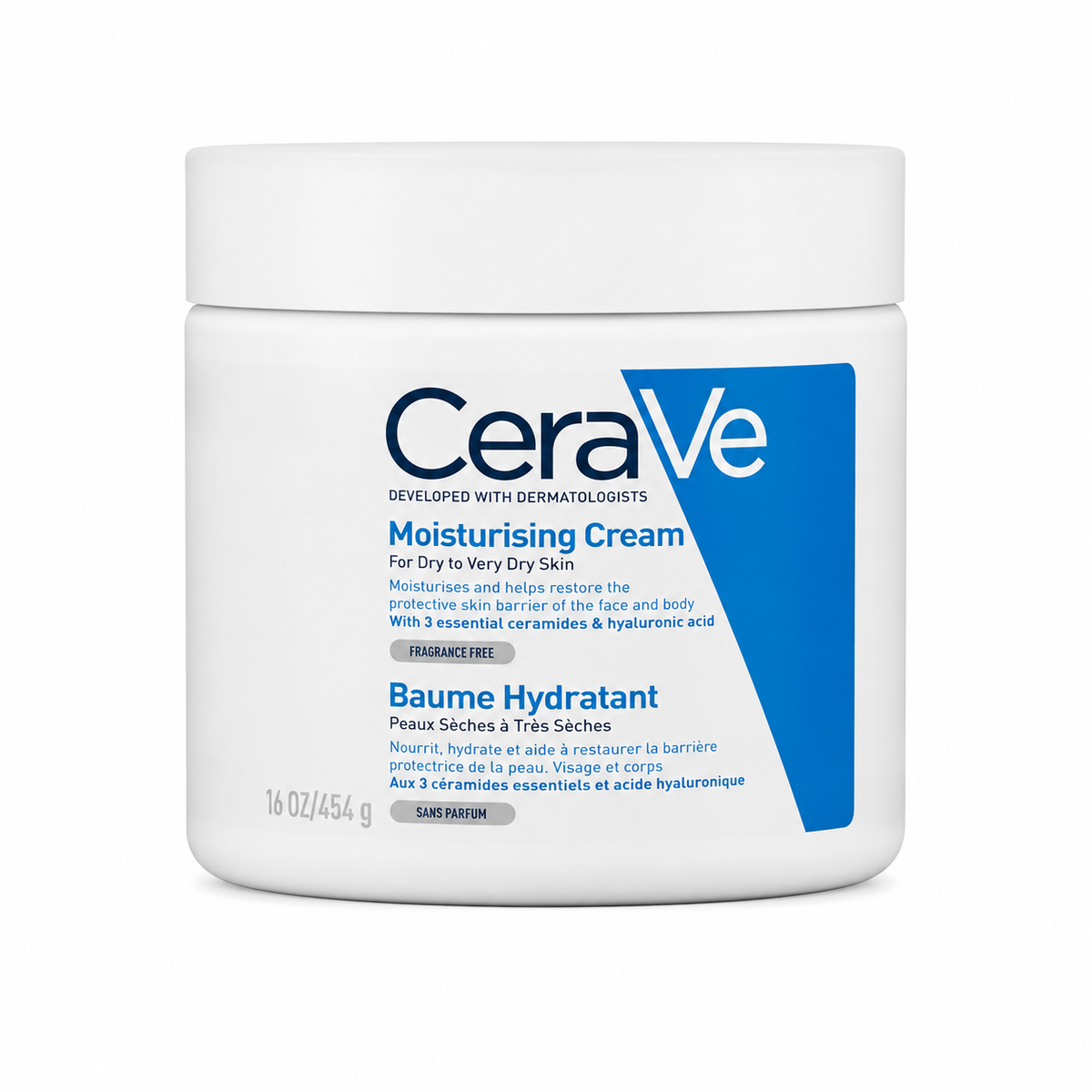
For skin that feels drier, CeraVe Moisturising Cream has a richer texture:
Shop CeraVe Moisturising Cream
4. Finish with sunscreen
Sun exposure can make dark marks more noticeable. Apply a broad-spectrum sunscreen in the morning to exposed skin, including your face and neck. Choose a product with at least SPF 30 and follow its directions for application and reapplication. The NHS recommends using at least SPF 30 and reapplying regularly, particularly after swimming, sweating or towel drying.
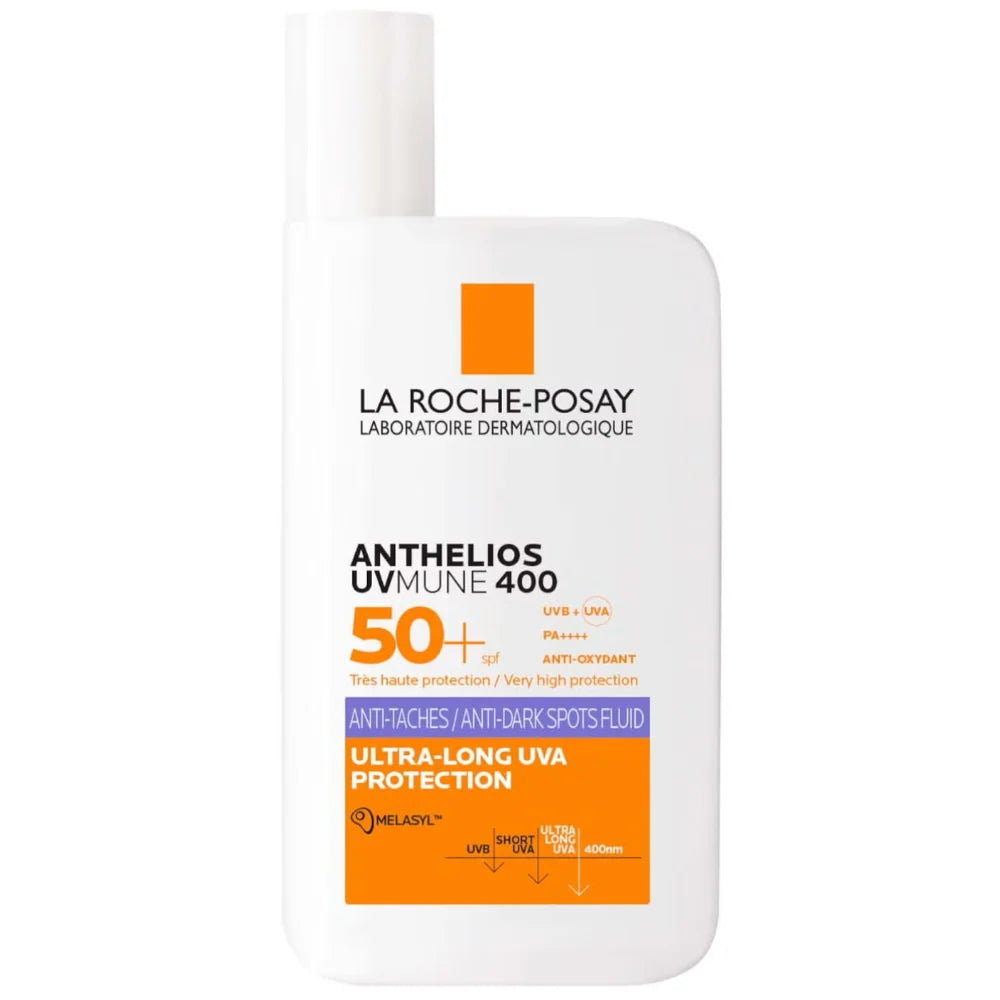
La Roche-Posay Anthelios Anti-Dark Spot SPF50+ Fluid is one facial sunscreen available from Melas:
Shop La Roche-Posay Anthelios Anti-Dark Spot SPF50+ Fluid
A sunscreen you find comfortable to wear is more likely to become part of your daily routine. If you are concerned about visible light worsening pigmentation, the American Academy of Dermatology notes that a tinted sunscreen containing iron oxides may offer additional visible-light protection. Check the ingredients, as not every tinted sunscreen contains iron oxides.
Browse Melas’s sunscreen collection
Evening routine
1. Cleanse
Wash gently to remove sunscreen, makeup, oil and daily build-up. If you wear makeup or find your sunscreen difficult to remove, you could use a first cleanse followed by your regular cleanser.
2. Use your targeted product
If the serum suits your skin, use it according to its directions. You can use it in the morning or evening. You do not need to apply it twice a day unless the product label says to and your skin tolerates that routine.
3. Moisturise
Finish with a moisturiser that helps your skin feel comfortable. If your face feels tight, stings or becomes unusually dry, simplify your routine and pause products that might be irritating it.
How to manage breakouts while marks fade
If you are still getting acne, managing the breakouts is an important part of preventing new marks.
- Do not pick, squeeze or scratch spots.
- Avoid harsh scrubs and frequent exfoliation.
- Introduce acne products gradually and follow their directions.
- Choose products labelled non-comedogenic if you are concerned about clogged pores.
- Ask a pharmacist or GP for advice if acne is painful, persistent or leaving scars.
The NHS advises against squeezing spots and scrubbing acne-prone skin because these can worsen acne or lead to scarring. If you have deep or painful spots, lots of spots, or acne that is affecting your mental health, speak with your GP.
Ingredients often found in products for uneven tone
Niacinamide
A form of vitamin B3 used in skincare products for concerns such as uneven tone and barrier support. It is found in the Good Molecules Discoloration Correcting Serum listed above.
Tranexamic acid derivatives
Some skincare formulas use tranexamic acid derivatives in products designed for the appearance of discolouration. Check the product’s ingredient list and directions.
Vitamin C
An antioxidant used in some skincare products to address dullness and the appearance of uneven tone. Formulas vary, so introduce a new product gradually.
Retinoids
Some retinoids are used to treat acne and related skin concerns, but they can irritate skin and may not be suitable for everyone. Ask a pharmacist, GP or dermatologist before adding one, especially if you are pregnant, trying to become pregnant, breastfeeding or using prescribed acne treatments.
No single ingredient suits everyone. Start with one new product at a time, follow its instructions and stop if your skin becomes persistently irritated.
What to avoid
Picking or squeezing spots
This can prolong inflammation and increase the chance of dark marks or scars.
Using several strong products at once
Layering multiple exfoliants or acne treatments can irritate your skin. More products do not necessarily mean faster results.
Scrubbing to remove marks
Dark marks are not dirt sitting on the skin’s surface. Scrubbing can cause irritation and make it harder to maintain a comfortable routine.
Expecting immediate results
Post-acne marks can fade slowly. The American Academy of Dermatology says a spot a few shades darker than your natural skin tone may take six to twelve months to fade after its cause is addressed. Deeper pigmentation can take longer.
When to seek professional advice
Speak to a pharmacist or GP if your acne is painful, persistent, causing scars or affecting your wellbeing. A clinician can help identify suitable treatment and advise whether your marks need further assessment.
Frequently asked questions
Are dark marks after acne scars?
Flat brown or darker marks are often post-inflammatory hyperpigmentation. Indented or raised marks are scars. They can look different and may need different approaches.
How long do post-acne marks take to fade?
It varies. Some marks fade gradually over several months; others take longer. Avoiding new breakouts and irritation, and wearing sunscreen, can help you care for your skin while marks fade.
Should I exfoliate dark marks every day?
No. Daily exfoliation is not necessary for everyone and may irritate your skin. Follow the product directions and reduce or stop use if your skin becomes uncomfortable.
Do I need sunscreen if I have darker skin?
Yes. Sun protection is useful for all skin tones. UV exposure can contribute to skin damage and may make dark marks more noticeable. Choose a sunscreen you can apply consistently.
Can I use a dark-spot serum while treating acne?
It depends on the products and your skin. Introduce one product at a time, follow the label and avoid combining several potentially irritating treatments without professional advice.
Glossary
Hyperpigmentation: Areas of skin that look darker than the surrounding skin because of increased pigment.
Post-inflammatory hyperpigmentation: A flat dark mark that can remain after inflammation, such as a spot, has healed.
Post-acne mark: A common term for a mark left after acne. It often refers to flat discolouration rather than a raised or indented scar.
Broad-spectrum sunscreen: Sunscreen that protects against both UVA and UVB rays.
Non-comedogenic: A product described as formulated not to clog pores. Individual skin responses still vary.
Iron oxides: Pigments that may be included in tinted sunscreen and can help protect against some visible light.
References
-
American Academy of Dermatology, “How to fade dark spots in darker skin tones”
-
American Academy of Dermatology, “10 tips for clearing acne in darker skin tones”
-
American Academy of Dermatology, “Acne: Tips for managing”
-
NHS, “Acne”
-
NHS, “Sunscreen and sun safety”
This article is for general information and is not a substitute for individual medical advice. Check product packaging for current directions and ingredients. Melas Beauty does not provide medical advice.